
Local Experts Who Know Gladstone’s Conditions
Gladstone isn’t like other Queensland towns, and its electrical systems shouldn’t be treated like it is. This is an industrial port city built around the QAL alumina refinery, the LNG facilities on Curtis Island, and one of the busiest harbours on the east coast – which means salt air, heavy humidity, and heat that pushes electrical systems harder than almost anywhere else in the state. We’ve worked on properties across this environment since 2017, and we build every install and inspection around what actually happens to wiring, switchboards and air conditioning units here.
From the older Queenslanders in West Gladstone and Telina to newer builds in Clinton and Kirkwood, and the coastal homes at Boyne Island and Tannum Sands where salt-laden air corrodes fittings faster than inland properties, we tailor our recommendations to the property in front of us rather than a one-size-fits-all checklist. Coastal jobs get corrosion-resistant components as standard. Older homes get a closer look at switchboard capacity – often flagged during a safety inspection – before we add new circuits or an air conditioning system. New builds get systems sized properly the first time, so you’re not paying to run an oversized unit through a Gladstone summer.
Whether it’s a residential property or a commercial premises, the same principle applies: get the assessment right first, then install accordingly. It’s also worth asking us about pairing any new system with solar or a solar battery – a common request in a region where cooling costs run high for most of the year.
We also travel well beyond the CBD. Our team regularly heads out to Calliope, Benaraby and Miriam Vale to the south, Biloela to the west, and up towards Rockhampton to the north – so if you’re on a rural property or in one of the smaller surrounding towns, you’re not stuck waiting on someone who only services the inner suburbs.
Being local also means we understand the seasonal pressure this region puts on homes and businesses. Summer here runs hot, humid and long, with storm season adding its own risks to exposed wiring and outdoor equipment. That’s part of why thermal imaging and safety inspections matter so much locally – a fault that might sit quietly for years in a milder climate can turn into a real hazard here far faster. We build our maintenance and inspection advice around that reality, not a generic national standard. If you’re setting up for an EV charger or another higher-draw addition, the same logic applies – check the switchboard can handle it before you add the load.
Whether you’re in Gladstone itself or one of the surrounding towns, you’re getting a team that’s spent years learning exactly how this climate and this region treat electrical systems – and building solutions that hold up to it.
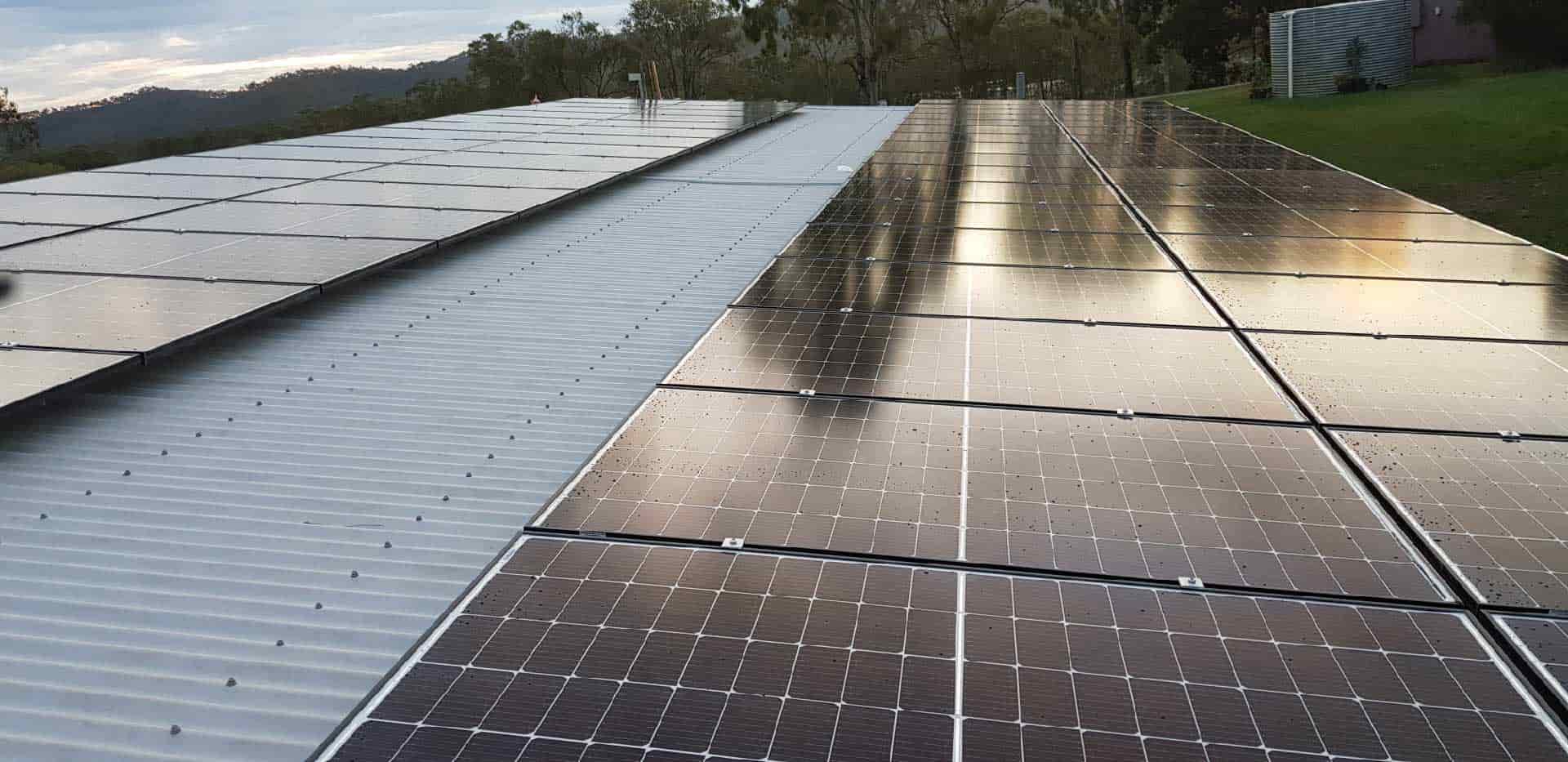
Gladstone locals have called on us for years to install air conditioning systems for homes and businesses. Now, we do so much more!
Ask about our complete solar power services that includes installation of panels for both domestic and commercial applications. We’ll show you how to save even more money on your power bills by introducing a solar battery bank.
Would you like to charge your electrical vehicle for next to no cost? We can show you how to do that with EV chargers that connect directly to your solar system. Your car can be charging free from the sun!


What is thermal imaging and why is
it useful?
Thermal imaging uses an infrared
camera to detect heat anomalies in electrical systems that are invisible to the
naked eye. Overloaded circuits, loose connections, and failing components all
generate excess heat before they fail or cause a fire. By identifying these
hotspots early, we can fix problems before they become dangerous or expensive.
It is a non-invasive process and particularly valuable for commercial and
industrial premises.
How often should I get my home
electrically inspected?
As a general guide, it is a good
idea to have your home inspected every few years, or sooner if your property is
older, you are adding new appliances or circuits, or if you notice any warning
signs like burning smells, warm outlets, or frequent tripped breakers. Rental
properties have specific requirements under Queensland legislation, so
landlords should seek advice to ensure compliance.